How to Get Enough Protein While Taking GLP-1
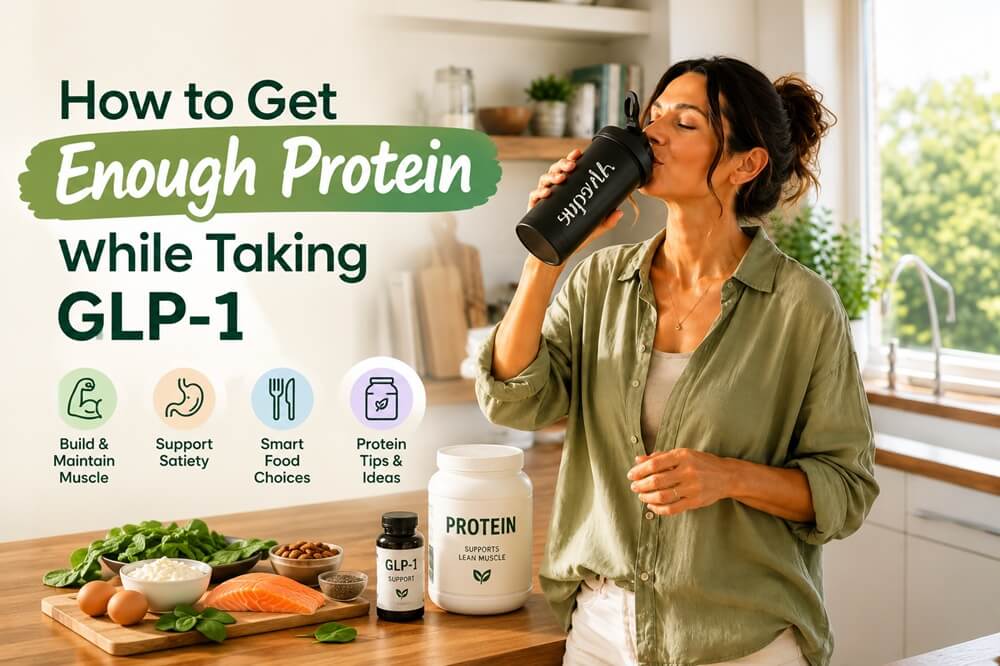
GLP-1 can help people manage their weight by reducing appetite and helping them feel full for longer. However, eating less can make it harder to get enough protein each day. Understanding how to include protein in your meals can help support your nutritional needs during weight loss.
Getting enough protein while taking GLP-1 is an important part of building healthy eating habits. With thoughtful meal planning and suitable food choices, you can make protein a regular part of your diet without relying on large meals.
Why Is Protein Important During GLP-1 Treatment?
Protein is an essential nutrient that helps the body repair tissues, maintain muscles, and perform many normal functions. During weight loss, getting enough protein is particularly important because some of the weight lost may come from lean body mass, including muscle.
Maintaining muscle can support strength, mobility, and everyday activities. Protein also helps you feel satisfied after meals, although appetite and fullness can vary from person to person.
GLP-1 can make you feel full sooner and reduce your interest in food. As a result, you may eat smaller portions and unintentionally consume less protein than your body needs.
A balanced diet that includes protein-rich foods can help you meet your nutritional needs while working towards your weight-management goals.
Why Can Getting Enough Protein Be Difficult?
GLP-1 affects appetite and digestion, which can make regular eating habits more challenging for some people. You might feel full after a few bites, experience nausea, or find that certain foods are less appealing.
These changes can make it difficult to eat three large meals a day. If meals become too small or irregular, your overall intake of protein and other essential nutrients may fall.
Instead of forcing yourself to eat large portions, focus on manageable meals and snacks. Choose foods that provide useful amounts of protein in smaller servings, and spread them throughout the day.
If nausea, vomiting, or difficulty eating continues, speak with your prescribing healthcare professional.
What Are the Best Protein-Rich Foods to Include?
Choosing a variety of protein-rich foods can make it easier to maintain a balanced diet. The best options depend on your preferences, dietary requirements, appetite, and any health conditions.
Animal-Based Protein Sources
- Eggs: Easy to prepare and suitable for breakfast or a light meal.
- Greek yogurt: A convenient option that can be eaten on its own or with fruit.
- Chicken and turkey: Versatile choices for salads, sandwiches, and main meals.
- Fish: Provides protein, and oily fish such as salmon also contains omega-3 fats.
- Cottage cheese: A useful option for snacks or light meals.
Plant-Based Protein Sources
- Lentils and beans: Provide protein and fibre, making them useful additions to soups, salads, and other meals.
- Tofu and tempeh: Versatile options for people following plant-based diets.
- Chickpeas: Can be added to salads, curries, or blended into hummus.
- Nuts and seeds: Offer protein alongside healthy fats, although they are often more energy-dense than other protein sources.
Combining different protein sources throughout the day can help you get a broader range of nutrients.
How Can You Get Enough Protein With a Reduced Appetite?
When your appetite is lower than usual, small changes to your eating routine can make protein intake more manageable.
1. Eat Smaller, Protein-Rich Meals
You do not need to depend on large meals to include protein in your diet. Try smaller portions that contain a clear protein source.
For example, you could have an egg with whole-grain toast, Greek yogurt with fruit, or a small serving of chicken with vegetables. Adjust portion sizes to what you can comfortably tolerate.
2. Include Protein at Breakfast
Starting the day with protein can help you build a consistent eating routine. Consider eggs, Greek yogurt, cottage cheese, or tofu, depending on your preferences.
If a full breakfast feels difficult, begin with a smaller serving and eat more later if you feel comfortable.
3. Spread Protein Intake Throughout the Day
Rather than trying to eat most of your protein at dinner, include some at each meal and snack. This approach can be easier when your appetite changes throughout the day.
A simple routine might include yogurt in the morning, lentil soup at lunch, and fish or tofu at dinner.
4. Keep Convenient Options Available
Busy schedules can make balanced eating difficult. Keeping suitable foods such as boiled eggs, individual yogurt portions, hummus, or prepared beans available can help you make practical choices when you do not feel like cooking.
5. Consider Protein Supplements Carefully
Some people may find a protein drink or powder useful when food alone does not meet their needs. However, supplements are not essential for everyone and should not replace a varied diet.
If you are considering a supplement, check its ingredients and discuss whether it is appropriate for you with a healthcare professional or registered dietitian, especially if you have kidney disease or other dietary restrictions.
How Can You Build a Balanced Meal While Taking GLP-1?
A balanced meal does not need to be complicated. Try including a protein source, vegetables or fruit, and a suitable source of carbohydrates or healthy fats.
For example, a meal could include grilled fish, cooked vegetables, and potatoes. A plant-based alternative could be tofu with vegetables and rice.
Choose foods you enjoy and can tolerate comfortably. Eat slowly, pay attention to fullness, and avoid forcing yourself to finish a large portion.
Hydration also matters. Sip water regularly throughout the day, particularly if you are eating less than usual. If you experience persistent vomiting or cannot keep fluids down, seek prompt medical advice.
How Much Protein Do You Need?
There is no single protein target that is right for everyone taking GLP-1. Your needs may depend on your age, body weight, activity level, overall diet, health conditions, and weight-loss plan.
A healthcare professional or registered dietitian can help you determine an appropriate intake and suggest practical ways to reach it. They can also assess whether you may need additional nutritional support.
Seek professional advice if you notice ongoing weakness, concerns about muscle loss, persistent nausea, or difficulty eating enough to meet your needs. Do not change or stop prescribed without consulting your prescriber.
Frequently Asked Questions
Q. Should I eat more protein while taking GLP-1?
A. Getting enough protein is important during weight loss, particularly for maintaining muscle. Your ideal intake depends on your individual nutritional needs, so ask a healthcare professional for personalised guidance.
Q. What is the best protein food when my appetite is low?
A. Greek yogurt, eggs, cottage cheese, tofu, and fish may be convenient options. Choose foods you enjoy and can comfortably tolerate.
Q. Can protein help prevent muscle loss during weight loss?
A. Adequate protein can help support muscle maintenance, but it cannot guarantee that muscle loss will be prevented. Appropriate physical activity, including resistance exercise when suitable, and an overall balanced diet also matter.
Q. Are protein shakes necessary while taking GLP-1?
A. No. Many people can meet their needs through food. Protein shakes may be helpful for some people, but their suitability depends on individual nutritional needs and health conditions.
Q. When should I speak with a dietitian about protein intake?
A. Consider professional guidance if you struggle to eat enough, are unsure how much protein you need, or have concerns about weakness or muscle loss. Persistent gastrointestinal symptoms should also be discussed with your prescriber.
Final Thoughts
Getting enough protein while taking GLP-1 does not have to mean eating large meals or following a complicated diet. Small, balanced meals, convenient protein-rich foods, and a consistent routine can help you support your nutritional needs throughout your weight-management journey. For more information about protein and nutrition support during GLP-1 treatment, visit Alveque to learn about its approach and available products.