What Is Whey Protein Powder and How Does It Work?
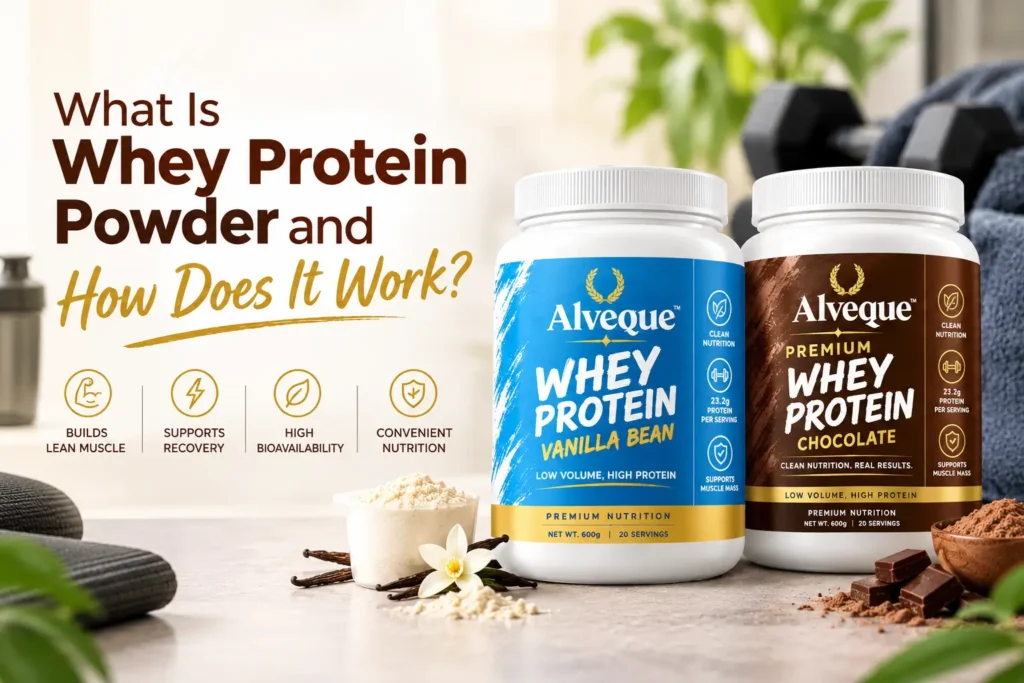
The whey protein powder supplement enables one to conveniently increase protein intake as well as recover from the workout for muscle growth. For those who have just started working out, those aiming at building muscles, or anyone looking for protein intake, understanding whey protein is very useful.
Proteins are very important for muscle repair and construction. Whereas certain foods such as eggs, milk products, beans, fish, and meat provide protein to the body, the intake of whey protein powder becomes an additional source of protein for the body.
What Is Whey Protein Powder?
The action behind whey protein powder is the result of the amino acids present in the protein, which the body uses for the development and maintenance of tissues, like skeletal muscles. After ingestion, the protein is then metabolized by the body into peptides and amino acids.
There are all nine types of essential amino acids are available in the proteins extracted from milk. The body needs these amino acids and is unable to produce enough of them. A few types of BCAAs, such as leucine, are present in whey proteins.
Whey protein powder is a frequent ingredient that people consume when they exercise or have an active lifestyle since they have to provide their body with protein. Nevertheless, whey protein powder is not something essential in our everyday diet but just an addition to it.
How Does Whey Protein Powder Work?
The reason why whey protein works is because of the amino acids that exist in the protein, which are used in the development and maintenance of tissues in the body, like muscle tissue. Once the protein is taken, it is broken down in the body into peptides and amino acids.
Exercising with resistance leads to stress on the muscles, which results in a process of repair in the body. Taking enough protein helps ensure that there are enough amino acids for the process. This, together with strength training and appropriate nutrition, will help build muscle.
It is often regarded as an ideal post-exercise supplement owing to the ease of its preparation as well as its quick digestibility, but there isn’t any specific time when it is absolutely necessary to consume. Protein intake per day, along with the diet pattern, is very important for attaining fitness goals.
What Are the Benefits of Whey Protein Powder?
Whey protein powder can be useful for people who struggle to obtain enough protein through regular meals. Its benefits depend on an individual’s diet, activity level, and nutritional requirements.
1. Supports Muscle Growth
Whey protein supplement may be necessary when the amount of protein intake through your regular diet is not sufficient. The effectiveness of the protein supplement depends on a number of issues. Protein is responsible for providing the amino acids that are necessary for muscle protein synthesis. If combined with proper resistance exercise, whey protein can contribute to muscle growth.
2. Helps With Muscle Recovery
The body is put under stress when we engage in exercise. It is therefore important for the body to have sufficient intake of protein after exercising in order to enable the body to repair its muscles.
3. Helps Meet Daily Protein Requirements
In addition, the busy lifestyle that people live makes it difficult for them to always include protein in their meals. The whey protein supplement can therefore be used to supplement the intake of protein.
4. May Support Fullness
Protein consumption may cause one to feel satiated. Consumption of whey protein as part of the whole dietary approach may help to manage problems of hunger in some people.
5. Offers Convenience and Versatility
Whey protein can be mixed with water or milk, added to a smoothie, or included in a meal such as oatmeal. This flexibility makes it possible to use the product at different times.
Whey Protein Powder vs. Whey Protein Isolate
The two different kinds of whey proteins include whey protein concentrates and whey protein isolates. Both are sources of amino acids, but their preparation methods vary greatly.
It normally consists of protein, lactose, fat, and other milk constituents in whey protein concentrate. The amount of protein in this concentrate depends on the type and processing stage.
Whey protein isolate is further processed to reduce the amount of non-protein materials. For this reason, it normally has a higher protein content compared to whey protein concentrate because it has reduced levels of lactose and fats.
Here is a simple comparison:
- Protein content: Isolate will contain a higher protein content compared to concentrate.
- Lactose content: Isolate has lower lactose content, but it is not always free from lactose.
- Fat content: Isolate contains lower fat content.
- Preferences: Concentrate might be more appealing to those who like unprocessed protein products, whereas isolate might be more suitable for those looking for high-protein products.
When and How Should You Take Whey Protein Powder?
The protein powder is taken by people at different times throughout the day according to their schedules and needs. Whey protein is usually taken after exercising, or sometimes as snacks or along with breakfast.
Ways in which whey protein is consumed include:
- Powder mixed with water to prepare a protein shake.
- Powdered ingredient mixed with milk and fruit along with other food items to prepare smoothies.
- Powder added to oatmeal and yogurt, if feasible for the product.
- Use of powder as a snack when there is no availability of a meal.
How to Choose the Best Whey Protein
Identifying the right whey protein entails selecting a product that suits one’s nutritional requirements as well as individual preferences.
The following are the key things to keep in mind when buying whey protein supplements:
- Amount of protein per serving: You should check the nutrition label in order to learn how much protein there is per serving.
- Ingredients: Sweeteners, flavors, additional sugars, and other ingredients should be analyzed.
- Type of protein: Comparison between concentrate and isolate can be made depending on the amount of protein, amount of lactose, and the price.
- Allergy information: Milk-based ingredients and other allergens should be looked for.
- Product information: The presence of labels, information about the company, batch information, and information about testing should be checked.
- Comparison: The amount of protein per serving should be used as the basis of comparison.
Is Whey Protein Powder Suitable for Everyone?
Whey protein powder may work for many adults who are in good health, but this does not apply to everybody. Due to its origin, whey protein powder is not suitable for vegans and those who suffer from a milk protein allergy.
Those who are lactose intolerant may be able to handle whey protein isolates better compared to concentrate because there is normally a lower content of lactose in isolates.
People with kidney problems or any other health condition that requires them to limit protein intake are advised to consult a healthcare professional or a dietician prior to consuming any protein supplement.
For the rest of us, the priority would be to fulfill our nutritional requirements through a proper diet and resort to supplements where necessary.
Where Can You Buy Protein Powder?
Before buying any protein powder, you should look at the following: the ingredients list, nutritional values, allergy warnings, serving size, and storage instructions. You should verify the identity of the company that produces the protein powder and the authenticity of the product by buying it directly from their official website or authorized dealers.
Compare different products according to their protein content, ingredients, and quality, among other factors, rather than simply their price or concentration of protein. A high price and a high concentration of protein do not necessarily make a product better.
Take your time to figure out what product you are buying before making a decision.
Conclusion
A quick and easy way to obtain high-quality, complete proteins is through the consumption of whey protein powder supplements that may be used to aid muscle recovery and growth by complementing your physical training regimen and proper nutrition with sufficient protein intake. Having the ability to comprehend the distinction between whey protein concentrate and whey protein isolate, along with carefully examining ingredients, will guide you toward a proper selection. To know more about protein supplementation, visit our website and contact us at Alveque.
Frequently Asked Questions
Q. What is whey protein powder and what is its function?
A. Whey protein powder is an example of a dietary supplement obtained from whey extracted from milk. Once broken down in the digestive system into amino acids used by the body for repairing and building tissues, it works well with sufficient nutritional intake and resistance exercises.
Q. How is whey protein powder different from whey protein isolate?
A. Whey protein isolate is a form of whey protein powder that undergoes processing in such a way that it ends up with a higher percentage of protein per weight compared to whey protein concentrate. It contains less lactose and fat compared to whey protein concentrate.
Q. How will I know which whey protein is the best for my fitness needs?
A. To determine the best whey protein for your fitness needs, you need to compare several factors such as protein amount per portion, ingredients, sugars, allergens, and company honesty. You have to decide between concentrate and isolate, depending on your dietary preferences and budget.
Q. What is the ideal time to consume whey protein powder?
A. There is no strict time limit to consume whey protein powder after exercise or breakfast; it may be consumed anytime as per individual convenience. The post-exercise period is one of the commonly used times to consume whey protein, but no specific time limit is fixed for this purpose.
Q. What should I look out for before purchasing my protein powder?
A. There are a number of things to consider when buying protein powder, including the amount of protein, the serving size, the ingredients, the presence of sugars, any possible allergens, and even information about the producer. Choose an option that meets your dietary needs rather than just one that is inexpensive.